

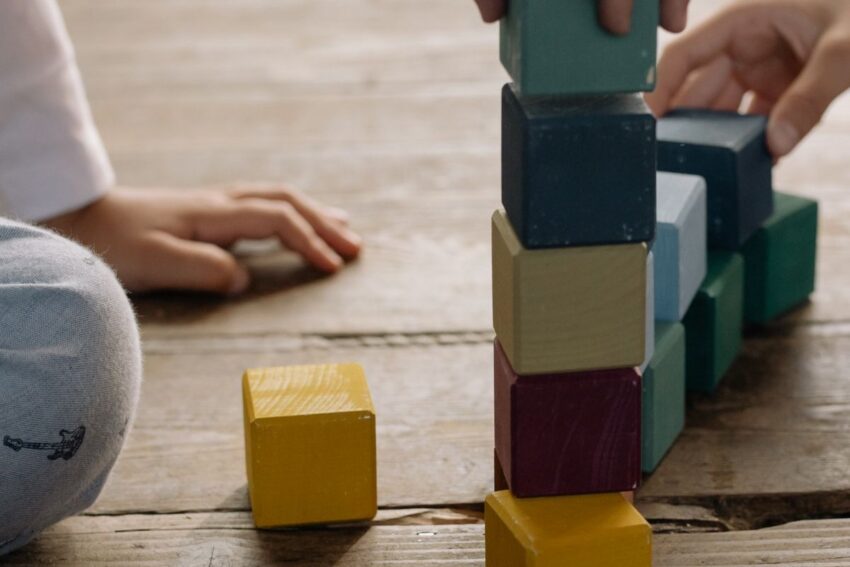
Play looks loose from the doorway, but there is a plan behind it
Visit a preschool at mid-morning and you may see children building towers, pouring water, arguing over who is the shopkeeper. A parent could be forgiven for asking when the learning starts. In fact it began when the children walked in. What separates a good play-based room from a chaotic one is not whether children play, but how much thought sits behind the materials, the timing and the adults standing nearby.
One preschool’s parent guide describes the idea as intentional play guided by teachers who observe and step in gently, with a short list of activities families can try at home. That framing is a useful test when you tour any centre: ask who plans the play, and what the teacher does while it is happening.
What the national preschool curriculum says about play
Malaysia’s Ministry of Education publishes the National Preschool Standard-Based Curriculum (KSPK), and its English edition of the 2017 document treats learning through play as planned and structured, because play is a natural behaviour in young children. It describes free play as time when children decide what, when and how to play, and it says the teacher acts as planner, facilitator, play partner and observer. The same document sets a time slot for free play within the weekly timetable, so it is meant to be a regular part of the week and not a reward for finishing worksheets.
Keep that in mind when you start comparing schools. Whatever label a school uses, the national curriculum already expects play to sit alongside early language, numeracy, physical activity and values. The useful comparison is how each centre carries it out day to day.
Harvard’s Center on the Developing Child explains how play builds relationships and everyday life skills (about 8 minutes).
Free play, guided play and teacher-led time are not the same
These three get blurred in brochures, so it helps to separate them. In free play the child chooses and the adult watches. In guided play the adult sets up a situation, such as a basket of balance blocks or a pretend market, and asks open questions without handing over answers. In teacher-led time the adult runs a short group activity with a clear aim, like a phonics song or counting game.
The National Association for the Education of Young Children, a respected early childhood body in the United States, describes play as something that fosters self-regulation, language and social skills and gives educators a window into what children understand. Good rooms usually use all three modes over a day, with more weight on the first two for younger children.
What to look for on a visit
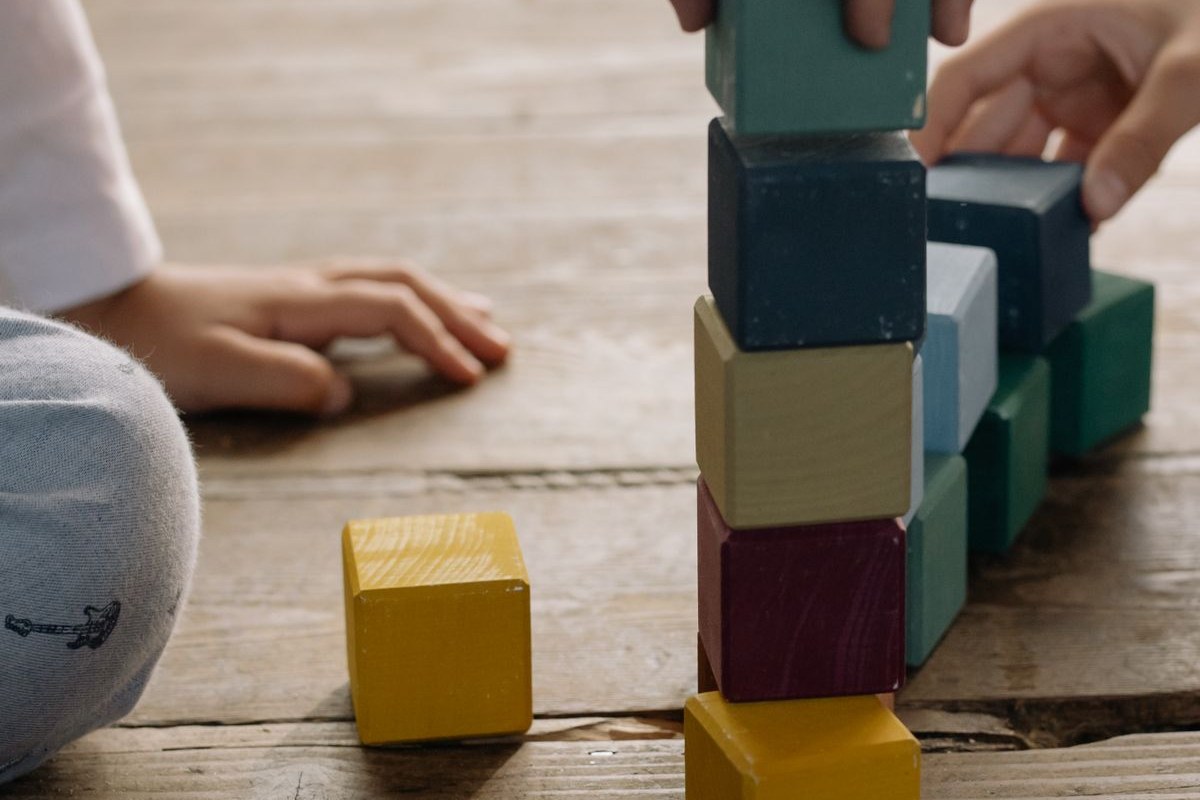
Watch the children before you watch the adults. Are they choosing materials, or being moved from one table to another on a bell? Do teachers crouch to eye level and ask what a child is making, or hover with a clipboard? Look for variety in the materials: blocks, art supplies, books, role-play corners and something outdoors.
Most centres explain their philosophy on their own pages, and that is a fair starting place. A summary of Ivy Kids’ approach and campus mentions a blend of child-led exploration and a structured early years framework. Whatever the name, ask how teachers record each child’s progress and how they prepare children for the move to Year 1, since that is where parents often feel the pressure.
Where childcare routines overlap with preschool
For families whose children are still in the baby or toddler stage, the same questions apply in a gentler form. A parent guide to infant and toddler care routines lists safe supervision, predictable routines and early play as the basics. The American Academy of Pediatrics keeps a preschool development overview showing what many four and five year olds can typically do, such as taking turns and make-believe, which helps you set realistic expectations.
Take two or three centres, visit at the same time of day, and write down one observation per category: play, adults, outdoors. Compare notes with your partner that evening, before anyone has seen a fee schedule.